
A wonderful transformation is unfolding in dance studios across the world — one that honors time-tested grace while putting student well-being, safe anatomy, and joyful expression at the center of every class.
Ballet has long been celebrated as one of the most sublime art forms in human history. Yet, for generations, the journey of learning ballet was defined by rigid discipline, strict mandates, and an unyielding environment. Today, a wonderful transformation is unfolding in dance studios across the world — one that honors time-tested grace while putting student well-being, safe anatomy, and joyful expression at the center of every class.
At Academie de Ballet Classique (ABCBend), we embrace this modern approach to ballet education, grounding our curriculum in compassionate instruction, technical excellence, and the joy of movement.
Then and Now
How the ballet classroom has changed — and what has deliberately stayed the same.
The Traditional Classroom — Ballet “Then”
Historically, ballet training relied heavily on authoritarian instruction. Students were expected to follow exact commands without always understanding the anatomical rationale behind them.
While this traditional model yielded impressive stage performers, it frequently came at the cost of dancer longevity, emotional comfort, and creative freedom.
The Modern Paradigm — Ballet “Now”
Today’s approach to classical ballet preserves the elegance of the art form while adopting healthy, scientifically backed teaching methods. Modern ballet education recognizes that true grace flourishes in an environment of support and encouragement.
At Academie de Ballet Classique, students immerse themselves in all of these elements.

The ABCBend Commitment: Elegant Education in Action
Every dancer deserves clear guidance, structured goals, and a nurturing studio home.
At Academie de Ballet Classique, our core value of Elegant Education shapes every lesson plan we deliver.

“The RAD teacher builds upon the process-before-product philosophy, establishing proper foundational technique before introducing complex vocabulary.”
Grounded in the Royal Academy of Dance
We proudly utilize the world-renowned Royal Academy of Dance (RAD) syllabus. This structure provides:
Goal-Driven Curricula
Clear, progressive lesson plans designed to guide students steadily through the school year.
Formal Annual Assessments
Measurable milestones that celebrate growth and build lasting student confidence.
“Corrections are a gift, designed to help a dancer grow.”
In every class at ABCBend, every student receives feedback delivered with clarity, compassion, and positivity.
Compassionate Corrections & Continuous Training
We firmly believe that corrections are a gift designed to help a dancer grow. In every class at ABCBend, every student receives feedback delivered with clarity, compassion, and positivity.
To uphold these high standards, our instructors participate in weekly training sessions focused on pedagogy, human anatomy, and techniques that build healthy muscle memory.
Comparing the Approaches
| Era / Philosophy | Teaching Style & Environment | Barre & Center Work | Pedagogical Focus |
|---|---|---|---|
| Ballet — Then | Strict, rigid, stage-based experience | Long barre sessions, rigid manners | Product over process; limited creativity |
| Ballet — Now | Supportive, compassionate, non-shaming | Shorter barre work, independent balance | Process before product; safe muscle memory |
| ABCBend Commitment | RAD syllabus, weekly teacher training | Dynamic musicality, tailored feedback | Elegant education, clear & encouraging corrections |
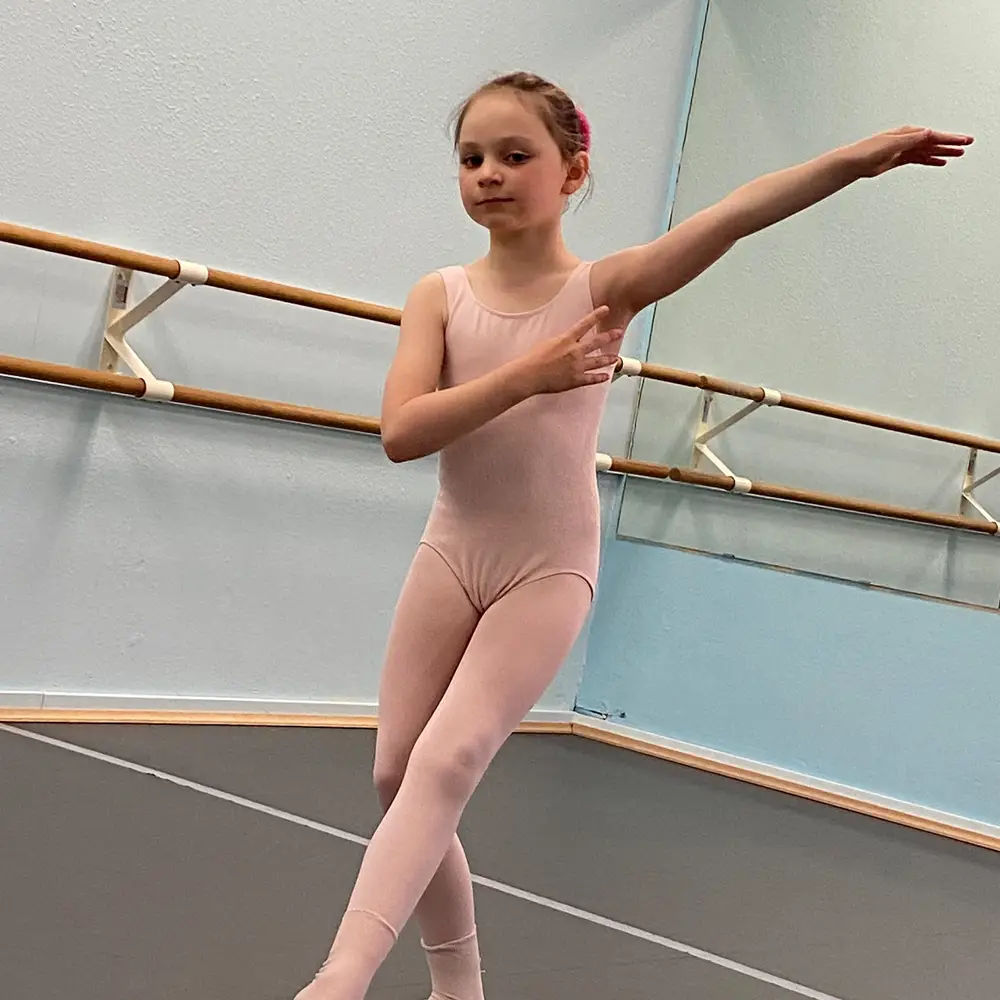
Experience the Joy of Dance
Whether your goal is to master classic technique, build lifelong poise, or simply discover the pleasure of movement, Academie de Ballet Classique is here to support your journey. Ballet is a lifelong gift — and with the right foundation, every step can be a celebration of joy and artistic growth.
Ballet Classes in Bend: Common Questions
What parents ask us most about how ballet is taught at Academie de Ballet Classique.
Is ballet class still strict and intimidating?
Not at our studio. Ballet training was historically built on authoritarian instruction, where students followed exact commands without always understanding the reasoning behind them. Modern ballet education takes a different approach: learning is non-judgmental, and instructors guide student effort with encouragement rather than shame. The elegance of the art form is preserved; the rigidity is not.
What is the Royal Academy of Dance (RAD) syllabus?
The RAD syllabus is a world-renowned framework for teaching classical ballet, and it is what Academie de Ballet Classique in Bend uses. It builds on a process-before-product philosophy, establishing proper foundational technique before introducing more complex vocabulary. In practice it gives students goal-driven curricula with clear, progressive lesson plans across the school year, plus formal annual assessments that mark real milestones.
Will my child be corrected in front of the class?
Yes, and that is a good thing. We believe corrections are a gift designed to help a dancer grow. What matters is how they are delivered. In every class at ABCBend, feedback is given with clarity, compassion, and positivity, never with shame.
How does ABCBend reduce the risk of dance injuries?
By teaching fundamental mechanics first. Emphasizing correct mechanics before performance outcomes helps dancers build safe muscle memory, which significantly lowers injury risk. Classes also use shorter barre exercises so dancers develop independent core balance rather than relying on the barre, and our instructors train weekly in human anatomy and healthy movement.
Are the instructors formally trained to teach?
Yes. Historically, formal pedagogical certification was rare in ballet, and most instructors taught based solely on their own experience performing. Our teachers work from the RAD syllabus and participate in weekly training sessions focused on pedagogy, human anatomy, and techniques that build healthy muscle memory.
Does my child get assessed or graded?
The RAD structure includes formal annual assessments. These are measurable milestones designed to celebrate growth and build lasting confidence, not to rank students against one another.
Does a modern approach mean less traditional ballet?
No. The teaching style has evolved, but ballet’s rich, time-honored language and vocabulary remain fully intact. What has changed is how that vocabulary is taught: with anatomical understanding, musicality, and encouragement rather than rote repetition.